





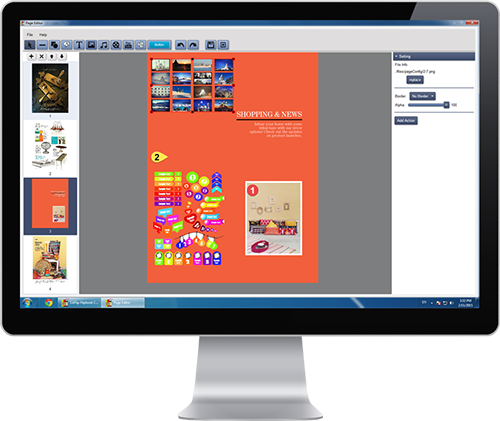


1stFlip Flipbook Creator is professional online flipbook software to convert PDF to HTML5 flipbook and get a fully responsive, mobile friendly experience in any browser. It allows you to create interactive flipbook, catalogs, brochures, magazines, eBooks, yearbook, booklet, portfolio, etc. from PDF and images. Real book experience, smooth flip animation, digital publishing style, 100% ad-free PDF page turning software. Create digital interactive flipbook with PDF/images/video/audio.
A firmware password (often called a BIOS or UEFI password) operates at a level deeper than the operating system. When activated, it locks the pre-boot environment. Depending on the manufacturer and settings, it may prevent the device from booting from any drive, block changes to boot order, or forbid access to low-level system configuration. On devices like Apple’s T2 or M-series chips, the firmware password is tied to a hardware security chip, making it extraordinarily resilient. On PCs, it is stored in non-volatile memory (NVRAM) or a dedicated EEPROM chip.
The firmware password is a sentinel; the unlocking tool is its skeleton key. But like any key, its morality is defined solely by the hand that wields it. For the honest user locked out of their own device, an unlocking tool is a lifeline. For the corporate asset manager, it is a cost-saving utility. For the forensic analyst, it is an instrument of justice. Yet for the thief, the stalker, or the state-sponsored hacker, it is a weapon of subversion. unlock tool firmware password
The intended purpose is overwhelmingly legitimate: enterprise IT departments use firmware passwords to enforce boot security, prevent data theft via external media, and reduce the resale value of stolen assets. For individuals, it adds a layer against physical tampering. However, the dark side is equally evident. A forgotten password turns a user’s own device into a brick. A second-hand device purchased from a non-reputable source may still be locked by the original owner’s firmware password, effectively making it e-waste. It is this gap between legitimate lockout and illegitimate obstruction that unlocking tools exploit. A firmware password (often called a BIOS or
The solution is not to ban unlocking tools—such a ban would be unenforceable, given that the necessary hardware interfaces (SPI, JTAG) are fundamental to electronics repair. Instead, the industry must move toward a model of —perhaps a secure, time-limited manufacturer backdoor that requires proof of identity and legal ownership, akin to a digital notary. Until then, users must recognize that a firmware password is not an absolute shield. It is, at best, a polite request for permission, and for anyone with the right tool and physical access, that request is easily ignored. The double-edged key will continue to turn, unlocking both solutions and threats in equal measure. On devices like Apple’s T2 or M-series chips,
Copyright © 2026 1stFlip. ALL Rights Reserved. Privacy Policy