 Home
Home睿能全成型
全成型无缝针织由一根或数跟纱线,用针织横机一次性编织出整件毛衫产品,整体线条优美、流畅,上身更柔软、舒适、轻盈
 400-0898-188
 Subsidiary Of The Group
The 1962 film adaptation of Vladimir Nabokov’s novel “Lolita” has been a subject of controversy and debate for decades. Directed by Stanley Kubrick, the movie tells the story of a middle-aged professor, Humbert Humbert, who becomes infatuated with a 12-year-old girl named Dolores Haze, also known as Lolita. The film’s exploration of themes such as obsession, pedophilia, and the complexities of human desire has sparked intense discussions and raised questions about its artistic merit and social responsibility.
The film’s release was surrounded by controversy, with many critics and censors objecting to its depiction of pedophilia and what they saw as its perceived endorsement of Humbert’s actions. The film was heavily censored in several countries, and it was even banned in some places. However, this controversy also sparked a wider conversation about the film’s themes and artistic merit, with many critics praising its boldness and intellectual curiosity. Lolita.1962.720p.BluRay.x264-SiNNERS
From a technical standpoint, “Lolita” (1962) is a masterpiece of cinematic storytelling. Kubrick’s direction is meticulous, and the film’s cinematography, production design, and score all contribute to a rich and immersive viewing experience. The performances of the cast, particularly James Mason as Humbert Humbert and Sue Lyon as Lolita, are superb, bringing depth and nuance to their characters. The 1962 film adaptation of Vladimir Nabokov’s novel
Lolita (1962) - A Timeless yet Controversial Classic** The film’s release was surrounded by controversy, with
At its core, “Lolita” (1962) is a complex exploration of human nature, one that challenges viewers to confront their own assumptions and biases. The film raises important questions about the nature of desire, the complexities of human relationships, and the blurred lines between good and evil. While its depiction of pedophilia is undoubtedly disturbing, it is also a crucial aspect of the film’s exploration of human nature.
Despite the controversy surrounding its release, “Lolita” (1962) has had a lasting impact on popular culture. The film’s influence can be seen in many other works of art, from literature to music to film. The character of Lolita herself has become a cultural icon, symbolizing both the innocence and vulnerability of childhood and the complexities of adult desire.


Integrating process design, image processing, pattern design with various modules, this product can improve working efficiency from customer order to data generation and offer advanced drawing software for the textile industry.
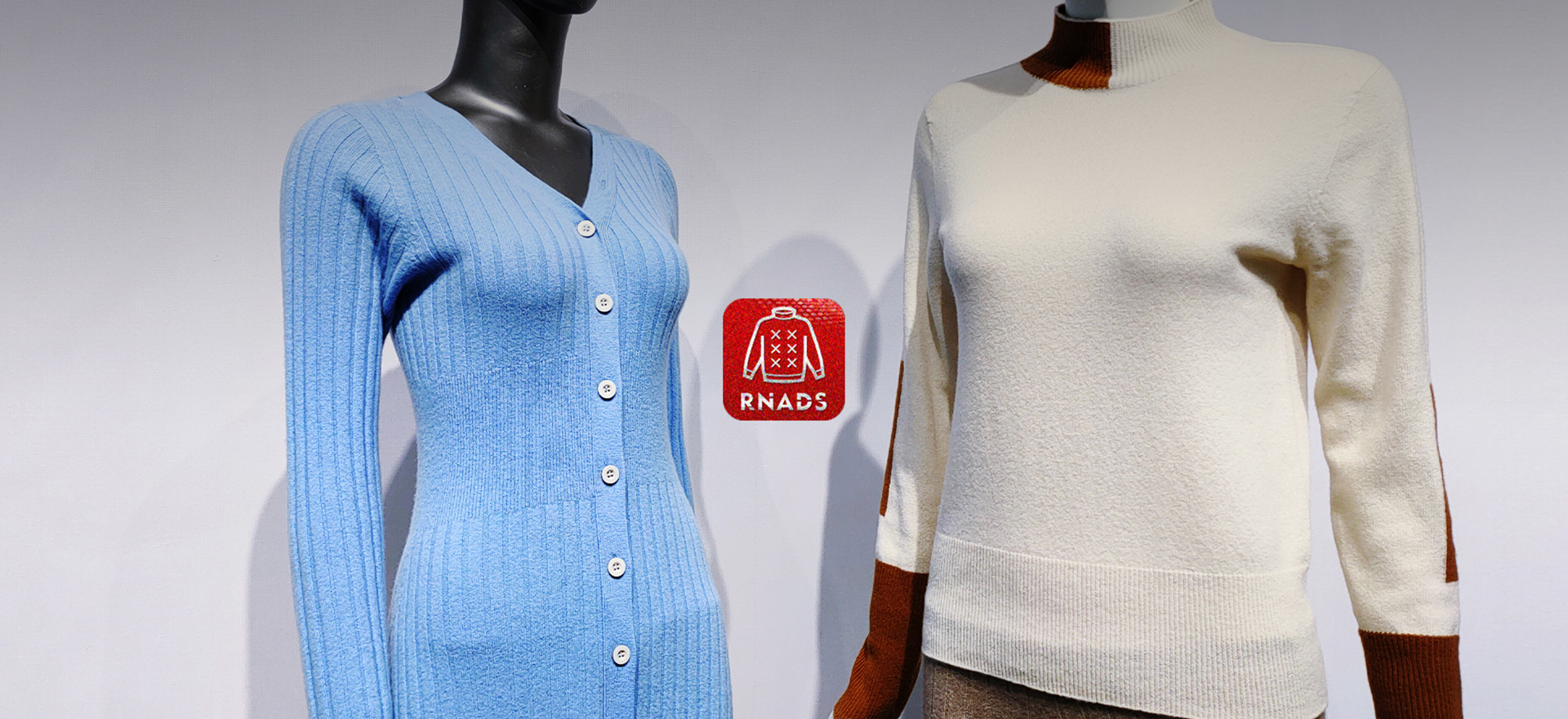
全成型无缝针织由一根或数跟纱线,用针织横机一次性编织出整件毛衫产品,整体线条优美、流畅,上身更柔软、舒适、轻盈

raglan sleeve
Polo.

The system supports a great variety of styles and keeps pace with the fashion trend of whole garment knitting.
The system provides a variety of modules and reduces the threshold of whole garment plate making.

The system offers plate making of double-needle-bed and four-needle-bed machines for richer whole garment patterns.
The system supports plate making for a number of models (such as auto run and rake) to help user make more whole garment patterns.
If no model is available, the user can create their own model in the system.


系统支持多种花型文件转换,直接上机
The 1962 film adaptation of Vladimir Nabokov’s novel “Lolita” has been a subject of controversy and debate for decades. Directed by Stanley Kubrick, the movie tells the story of a middle-aged professor, Humbert Humbert, who becomes infatuated with a 12-year-old girl named Dolores Haze, also known as Lolita. The film’s exploration of themes such as obsession, pedophilia, and the complexities of human desire has sparked intense discussions and raised questions about its artistic merit and social responsibility.
The film’s release was surrounded by controversy, with many critics and censors objecting to its depiction of pedophilia and what they saw as its perceived endorsement of Humbert’s actions. The film was heavily censored in several countries, and it was even banned in some places. However, this controversy also sparked a wider conversation about the film’s themes and artistic merit, with many critics praising its boldness and intellectual curiosity.
From a technical standpoint, “Lolita” (1962) is a masterpiece of cinematic storytelling. Kubrick’s direction is meticulous, and the film’s cinematography, production design, and score all contribute to a rich and immersive viewing experience. The performances of the cast, particularly James Mason as Humbert Humbert and Sue Lyon as Lolita, are superb, bringing depth and nuance to their characters.
Lolita (1962) - A Timeless yet Controversial Classic**
At its core, “Lolita” (1962) is a complex exploration of human nature, one that challenges viewers to confront their own assumptions and biases. The film raises important questions about the nature of desire, the complexities of human relationships, and the blurred lines between good and evil. While its depiction of pedophilia is undoubtedly disturbing, it is also a crucial aspect of the film’s exploration of human nature.
Despite the controversy surrounding its release, “Lolita” (1962) has had a lasting impact on popular culture. The film’s influence can be seen in many other works of art, from literature to music to film. The character of Lolita herself has become a cultural icon, symbolizing both the innocence and vulnerability of childhood and the complexities of adult desire.
 400-0898-188


Raynen

Raynen Intelligence Control


