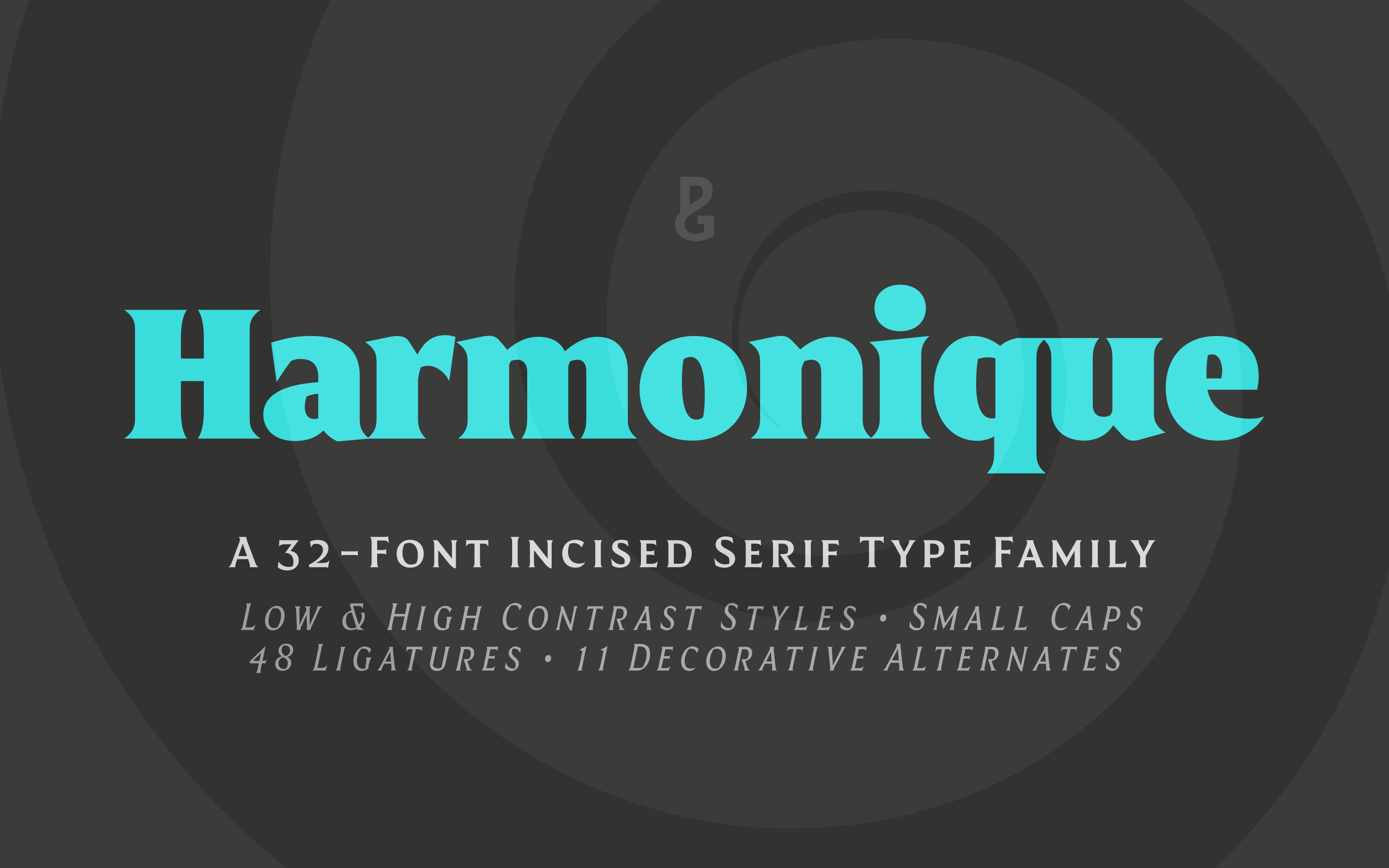
An Incised Serif Type Family

This typeface is part of The Monotype Library.
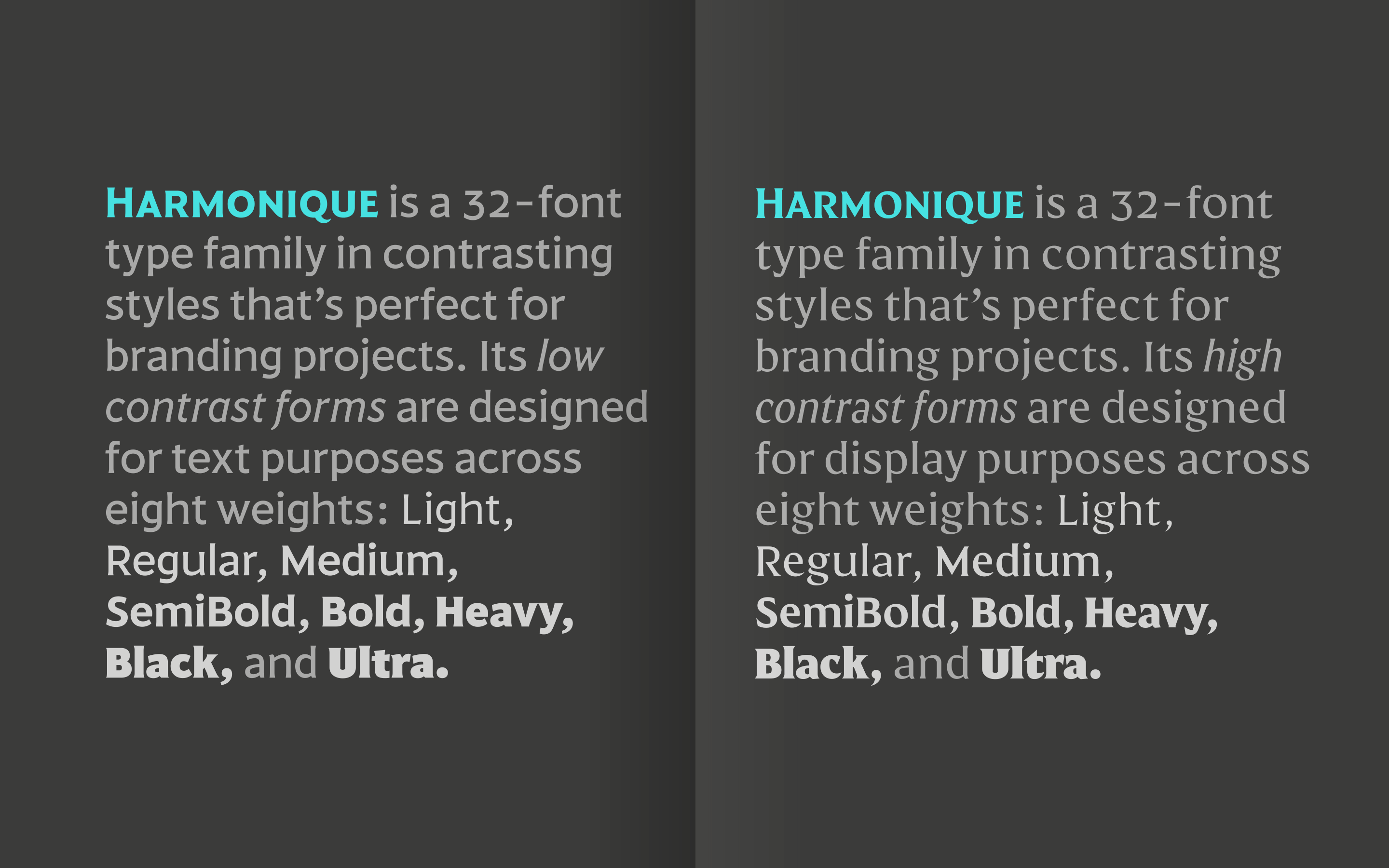
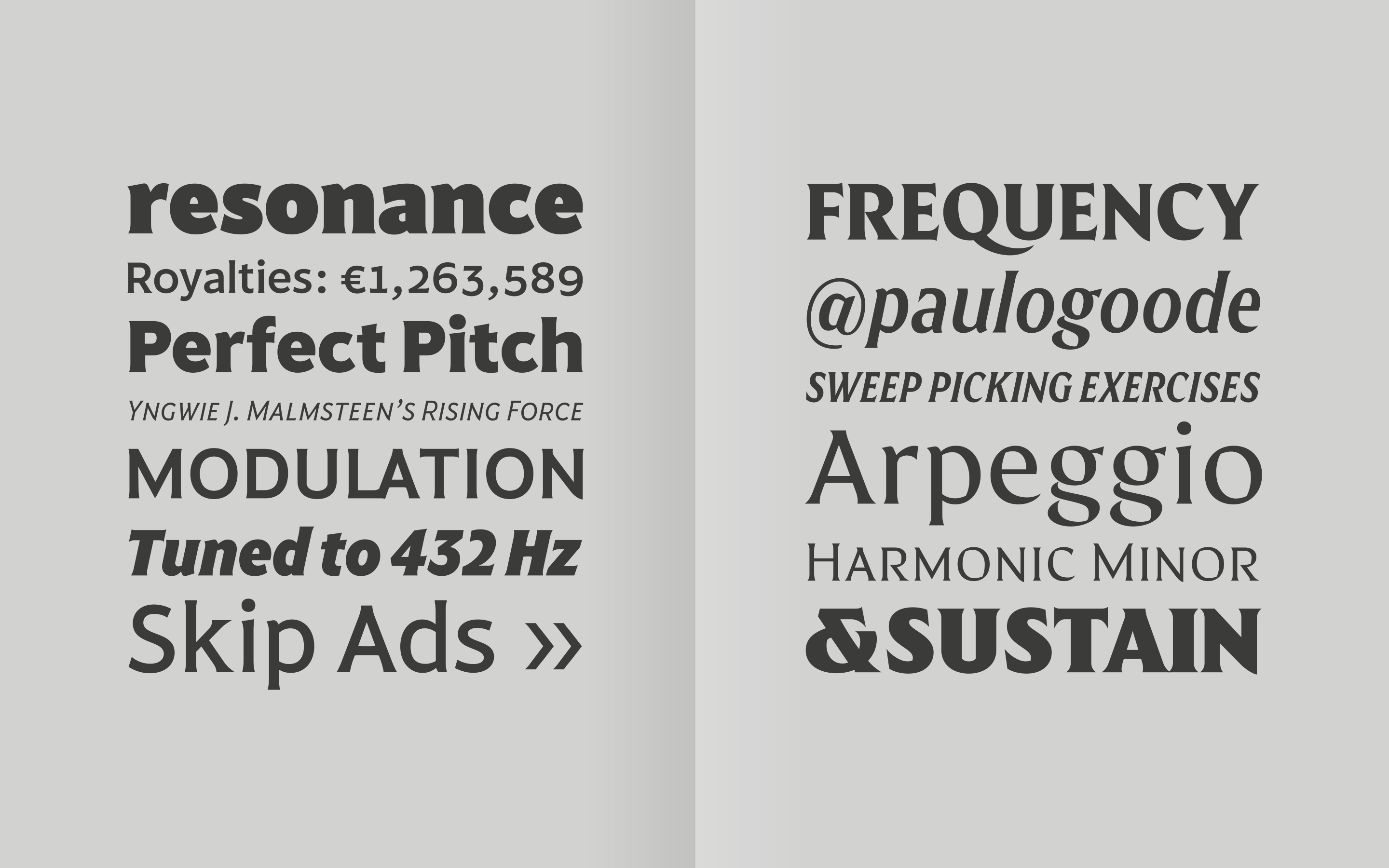
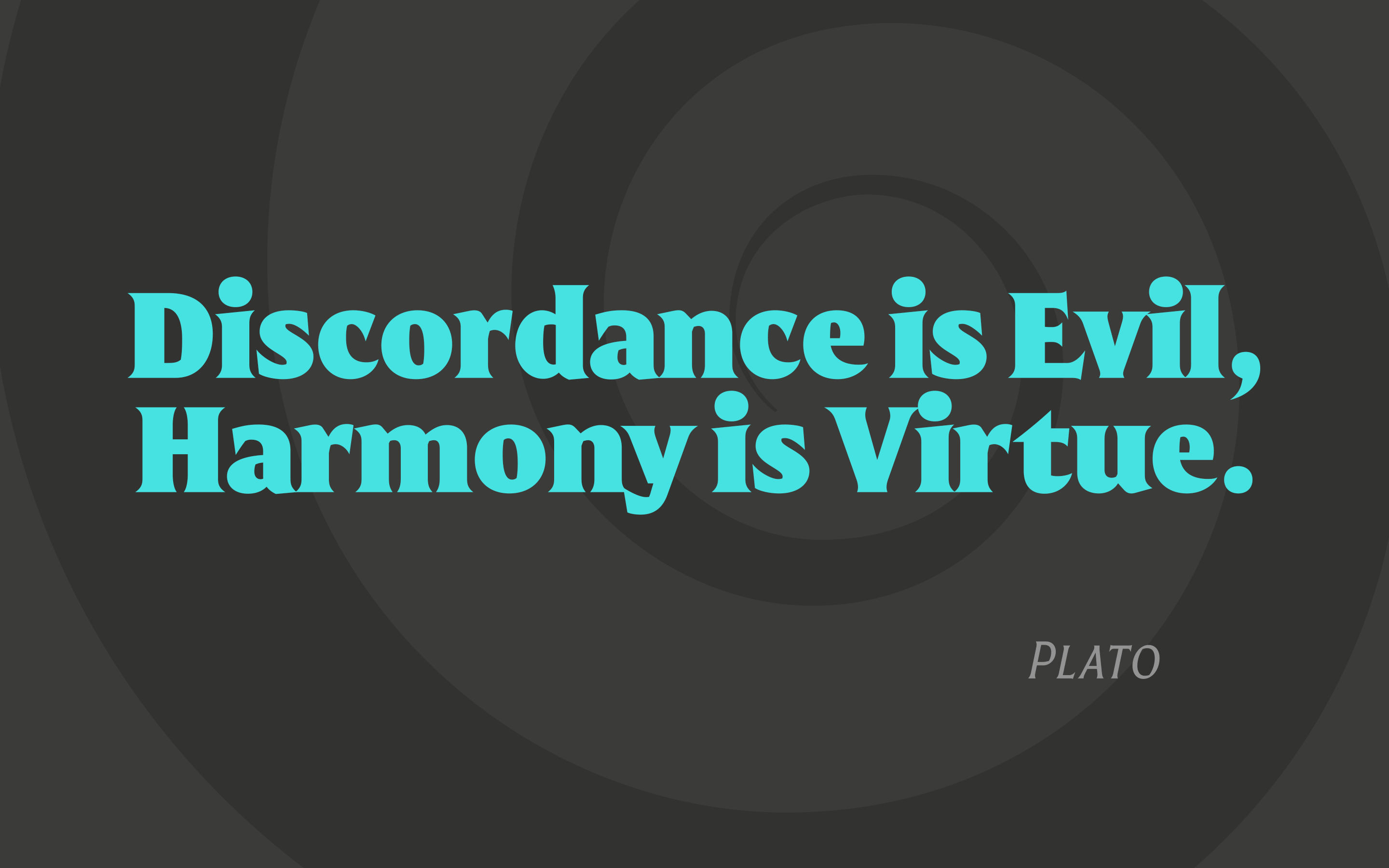
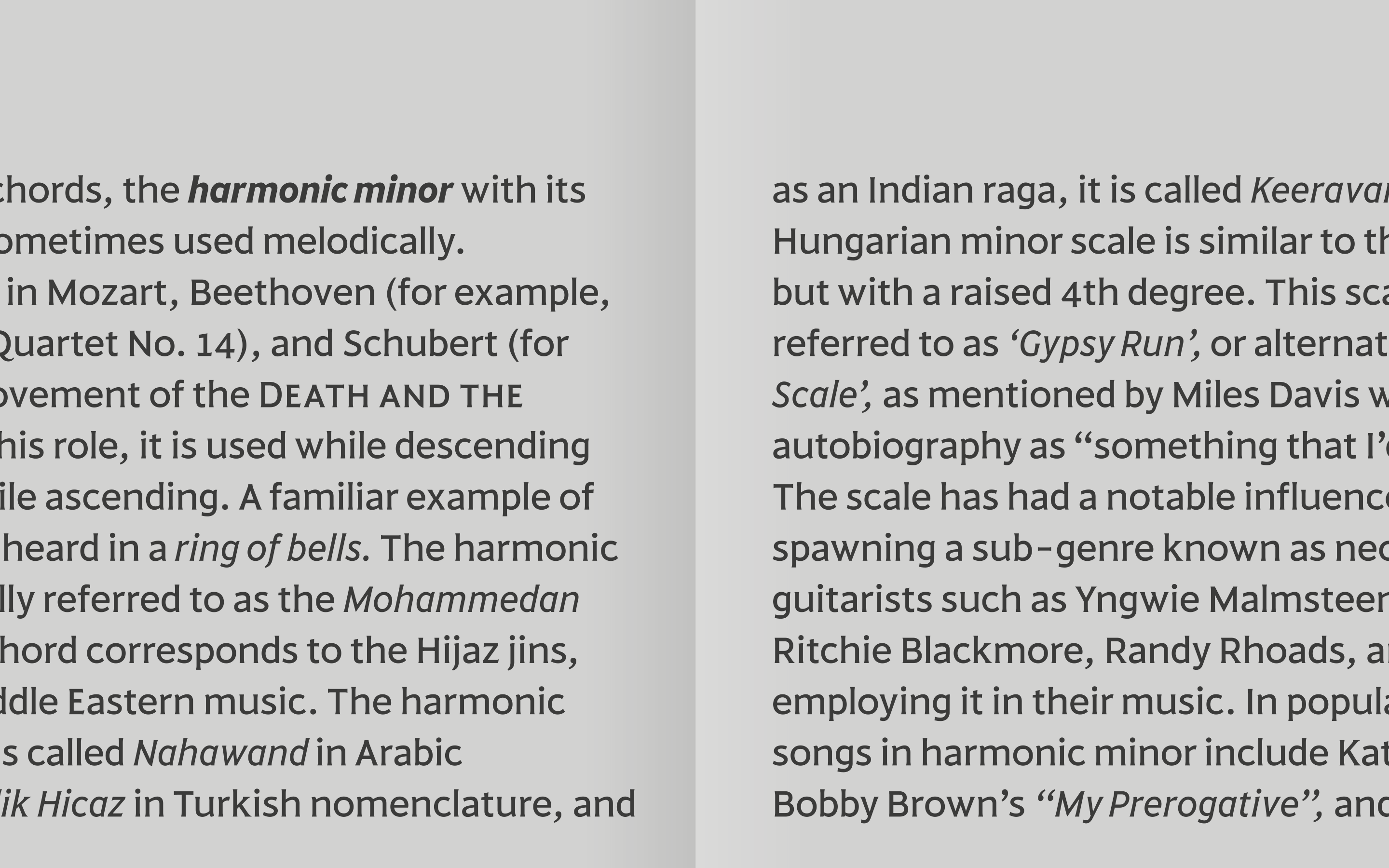
Harmonique is an incised serif typeface designed for both text and display purposes. It’s a type family of two styles that work in harmony together to add distinction and personality to your own typographic compositions. Harmonique’s low contrast forms have the appeal of a humanist sans serif typeface. Its subtly flared terminals evoke the craft and skill of a signwriter’s steady hand, creating an authentic and pleasing aesthetic. Harmonique Display is more calligraphic in its structure – as if drawn by a wide-nibbed pen. This style is accentuated by aggressively barbed serifs and chiselled arcs in its counters and bowls. These strong characteristics help to define a flamboyant, confident style that will provide impact and flair to your headlines, titles and identity designs.
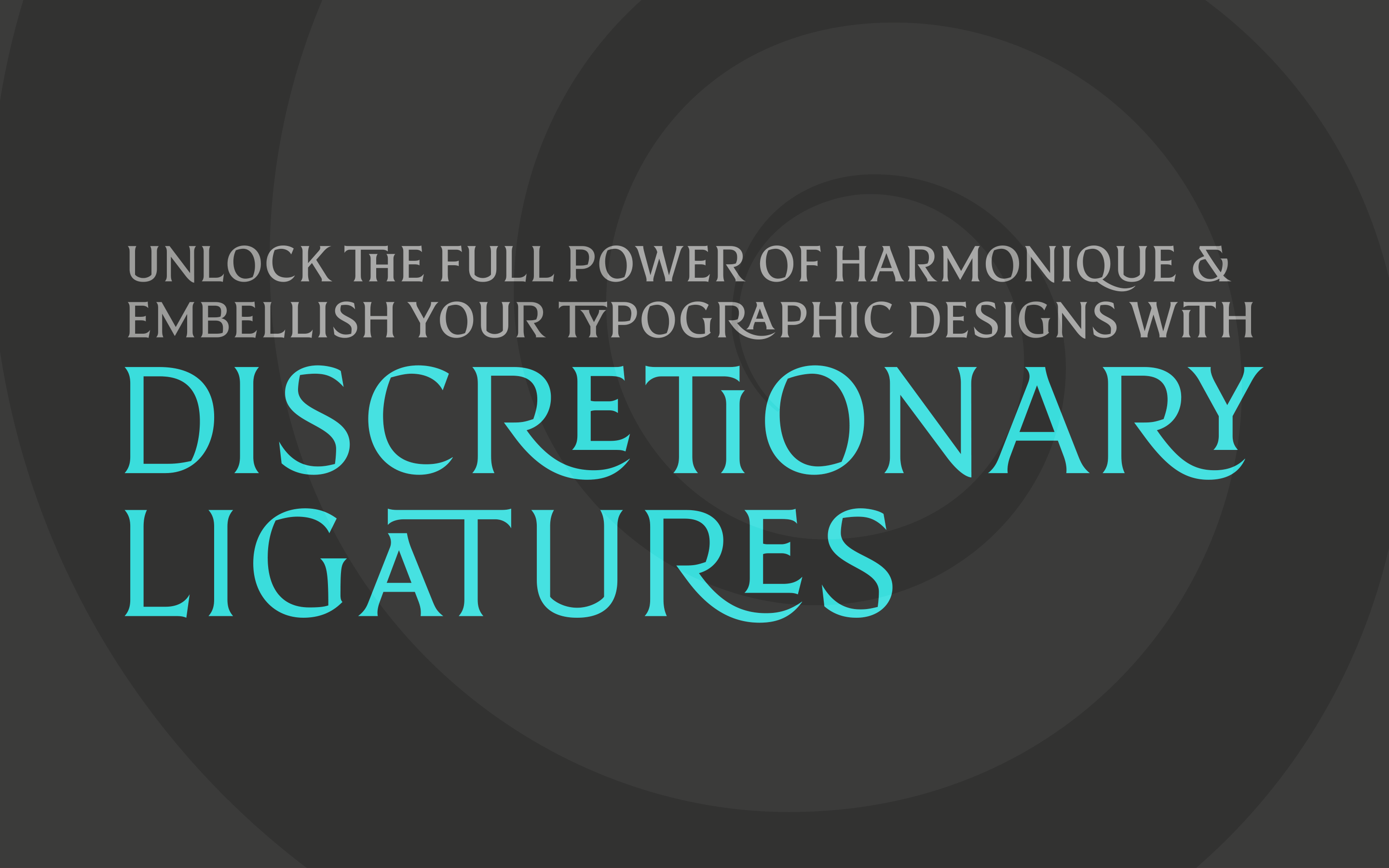
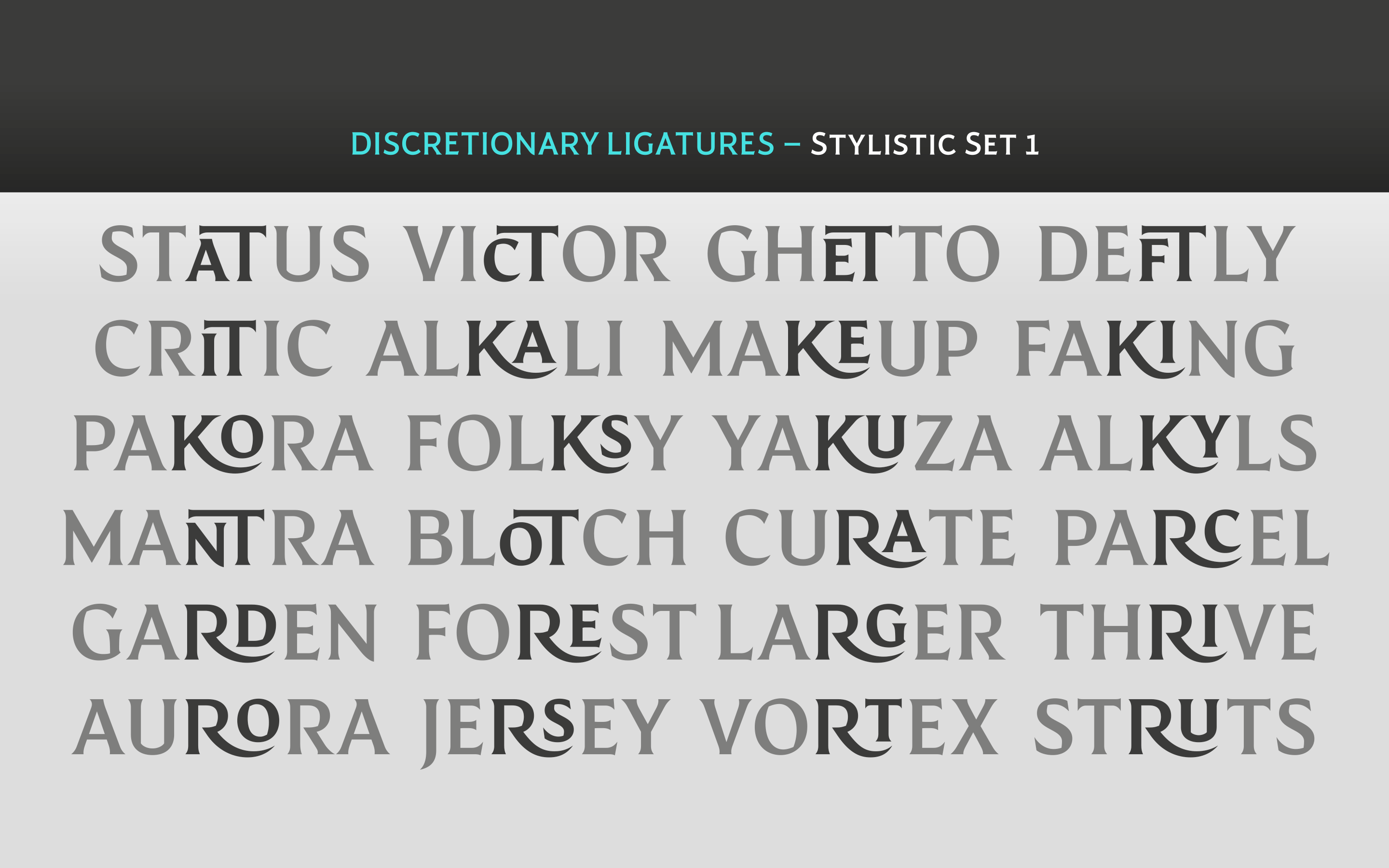
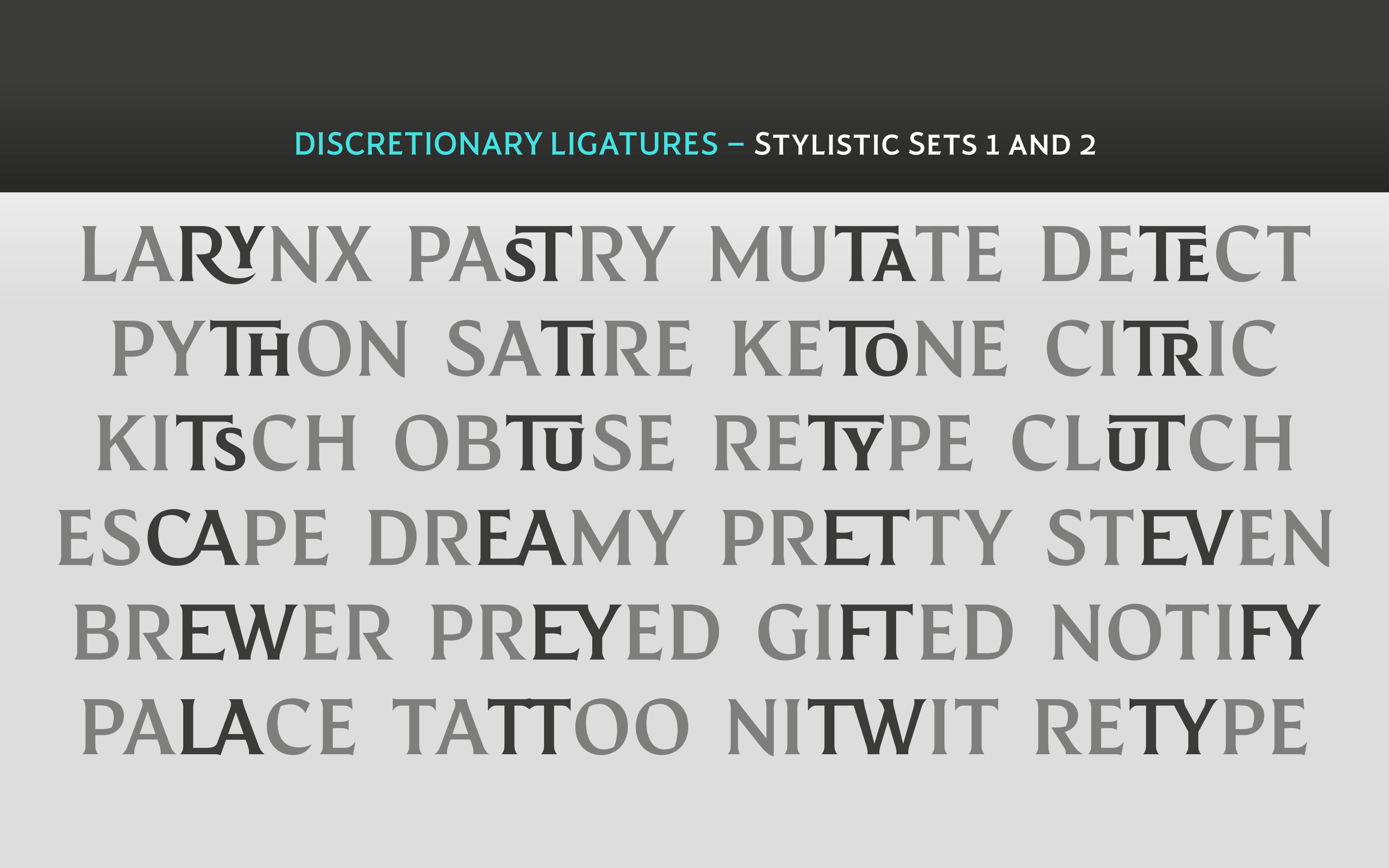
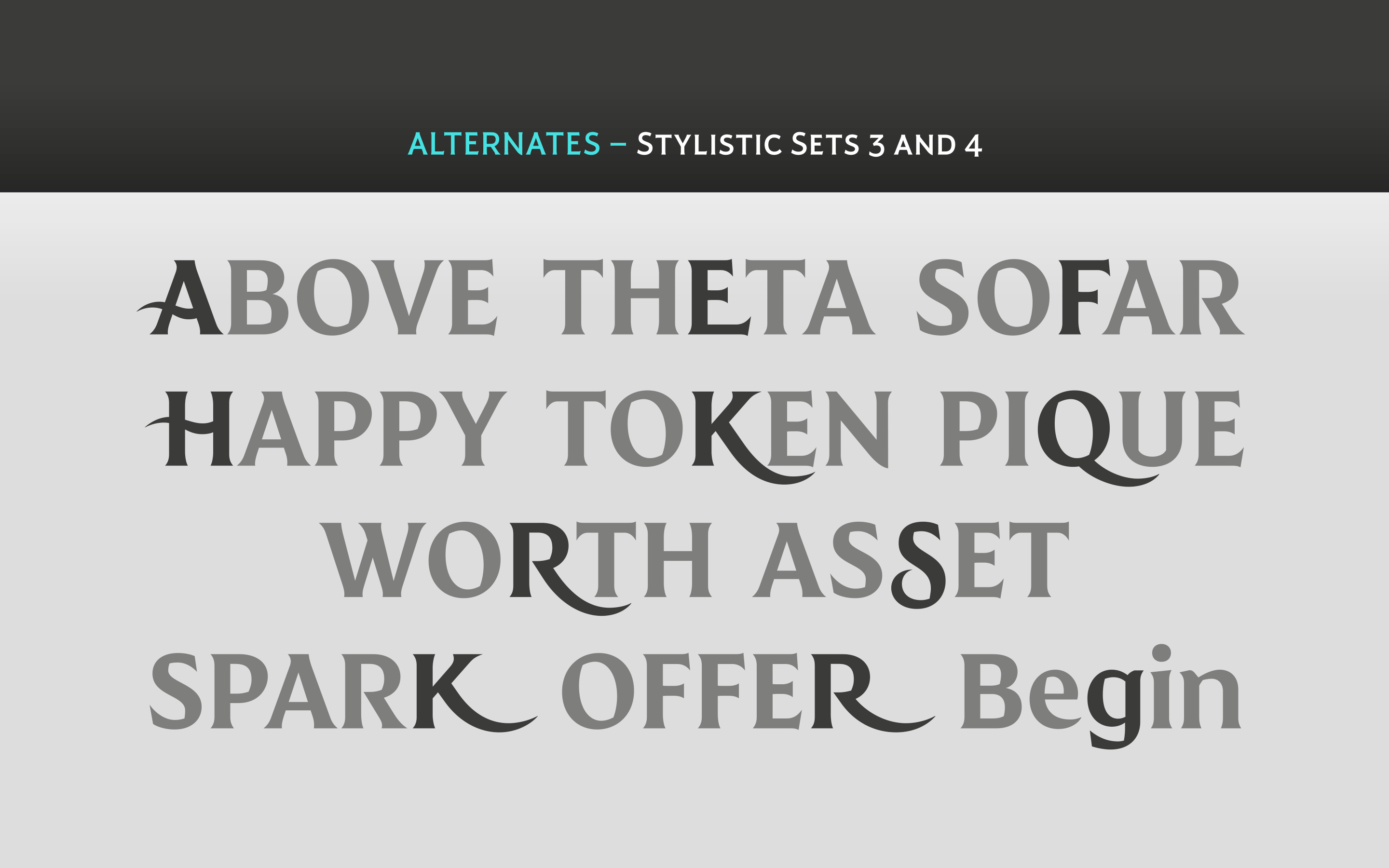
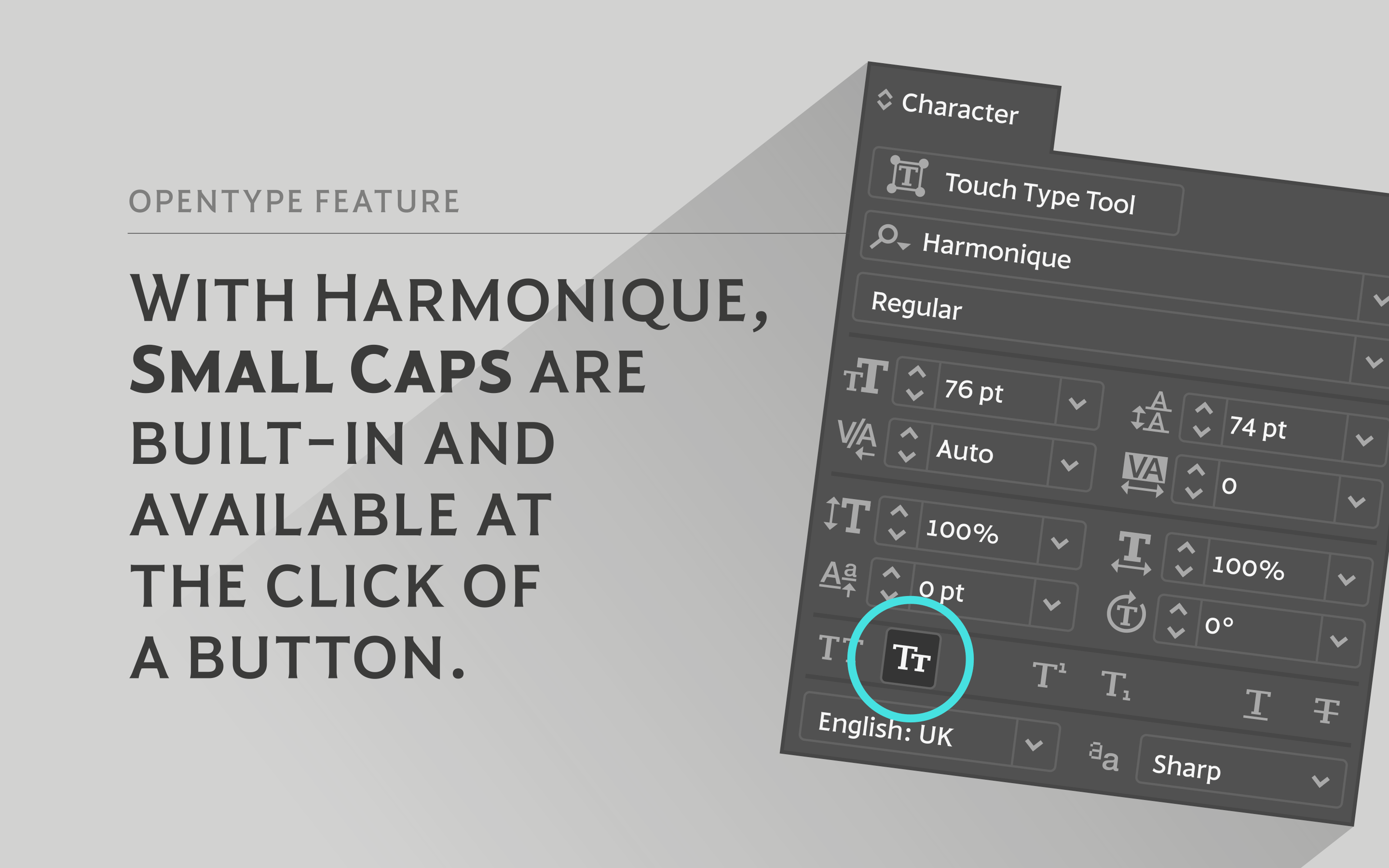
Practical features include 48 ligatures that will enhance titling possibilities with their all-capital pairings – these are accesssed by turning on Discretionary Ligatures and then selecting either Sylistic Set 1 or 2. There are also a number of alternate caps that will subtly enhance your titles and headlines – access these via Stylistc Sets 3 and 4. Small Caps are included too (along with their matching diacritics) – adding another layer of versatility to this typeface. Proportional Lining figures are available as an option if you prefer them to the default Old Style figures.
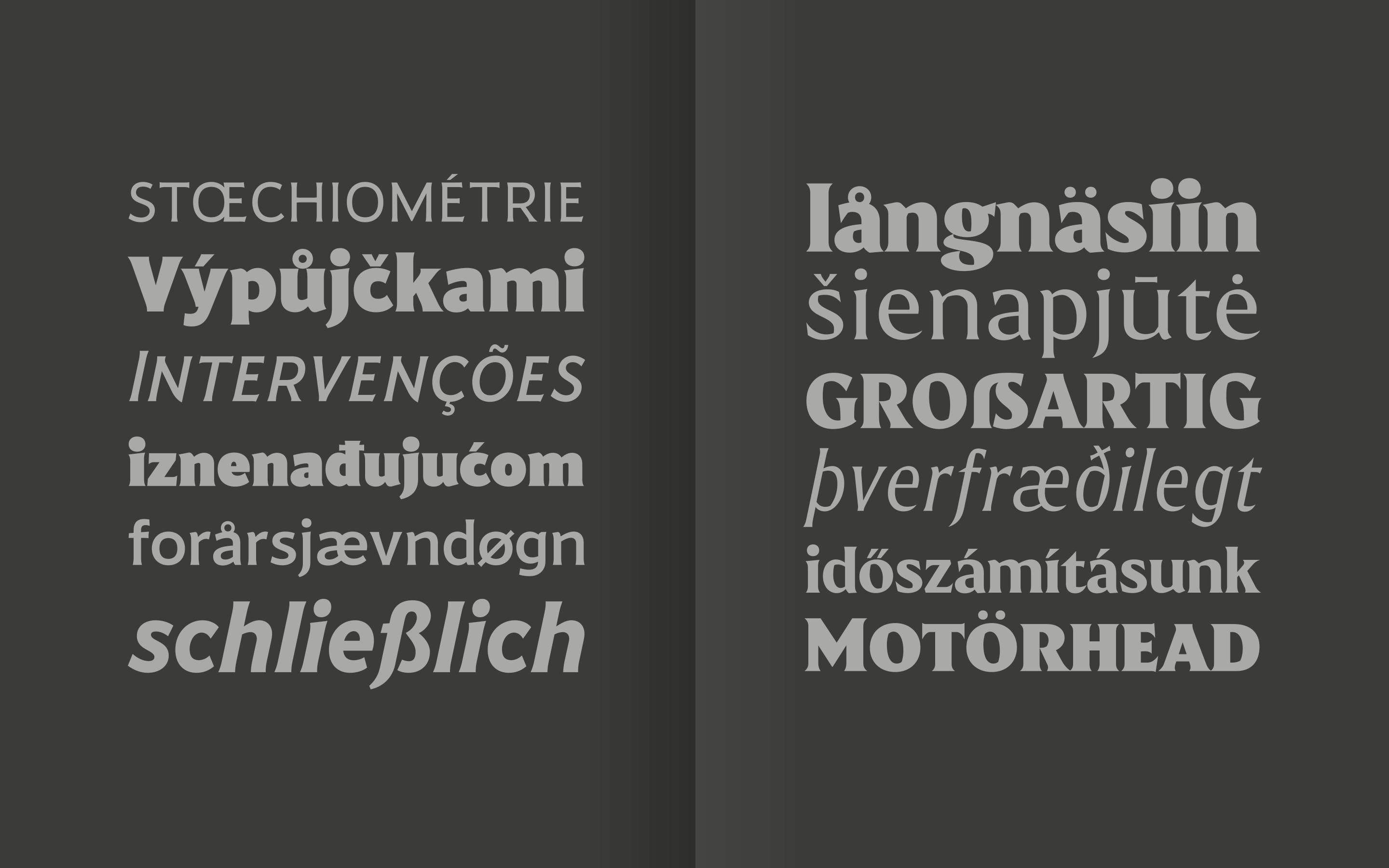
There are 32 fonts altogether, with 8 weights in roman and italic from Light to Ultra in both text (low contrast) and display (high contrast) styles. Harmonique has an extensive character set (650+ glyphs) that covers every Latin European language.
SUGGESTED FONT PAIRING: Harmonique and Stasis.
| Release Date | April 2021 |
| Classification | Incised Serif |
| No. of Fonts | 32 |
| Weights & Styles |
|
| Alternates | 11 |
| Ligatures | 48 |
| Small Caps | Yes |
| No. of Glyphs | 650+ |
| Language Support | European – Latin Only |

Whether you are looking to improve your relationships or simply seeking to understand the complexities of human intimacy, the Kamasutra Malayalam 25.pdf is a must-read. So, dive into the world of ancient Indian wisdom and discover the secrets of the Kamasutra.
The Kamasutra Malayalam 25.pdf is a valuable resource for anyone interested in understanding the art of love and intimacy. This chapter provides a unique perspective on human relationships, offering insights into the psychology of desire, attraction, and partnership.
The Kamasutra’s emphasis on communication, mutual respect, and trust provides a valuable framework for building and maintaining healthy relationships. Moreover, the text’s focus on the emotional and psychological aspects of intimacy offers a nuanced understanding of human desire and pleasure. Kamasutra Malayalam 25.pdf
The 25th chapter of the Kamasutra Malayalam, available as a PDF, deals with the art of seduction and the various techniques of attracting a partner. This chapter provides valuable insights into the psychology of human relationships and offers practical advice on how to build and maintain a fulfilling partnership.
The Kamasutra, an ancient Indian text on human relationships and intimacy, has been a subject of fascination for centuries. Written by the renowned sage Vatsyayana Mallanaga, this treatise on love, desire, and pleasure has been widely read and revered across the world. In this article, we will explore the Malayalam translation of the Kamasutra, specifically the 25th chapter, and provide insights into its significance and relevance in modern times. Whether you are looking to improve your relationships
Despite being written over 1,800 years ago, the Kamasutra remains a relevant and insightful guide to human relationships. In today’s fast-paced world, where relationships are often superficial and fleeting, the Kamasutra offers a refreshing perspective on love, desire, and intimacy.
The Kamasutra has been translated into many languages, including Malayalam, one of the prominent languages of India. The Malayalam translation of the Kamasutra, known as “Kamasutra Malayalam,” has gained significant popularity among readers in Kerala and other parts of India. This chapter provides a unique perspective on human
The Kamasutra is an ancient Indian text that dates back to the 2nd century CE. The word “Kamasutra” is derived from two Sanskrit words: “Kama,” which means desire or pleasure, and “sutra,” which means thread or aphorism. The text is a comprehensive guide to human relationships, covering topics such as love, intimacy, marriage, and family.